Hidden Britain · Arts & Crafts
If you're ever in Surrey and you want that rare kind of travel moment — the one where something small stops you completely — put Watts Cemetery Chapel on your list.
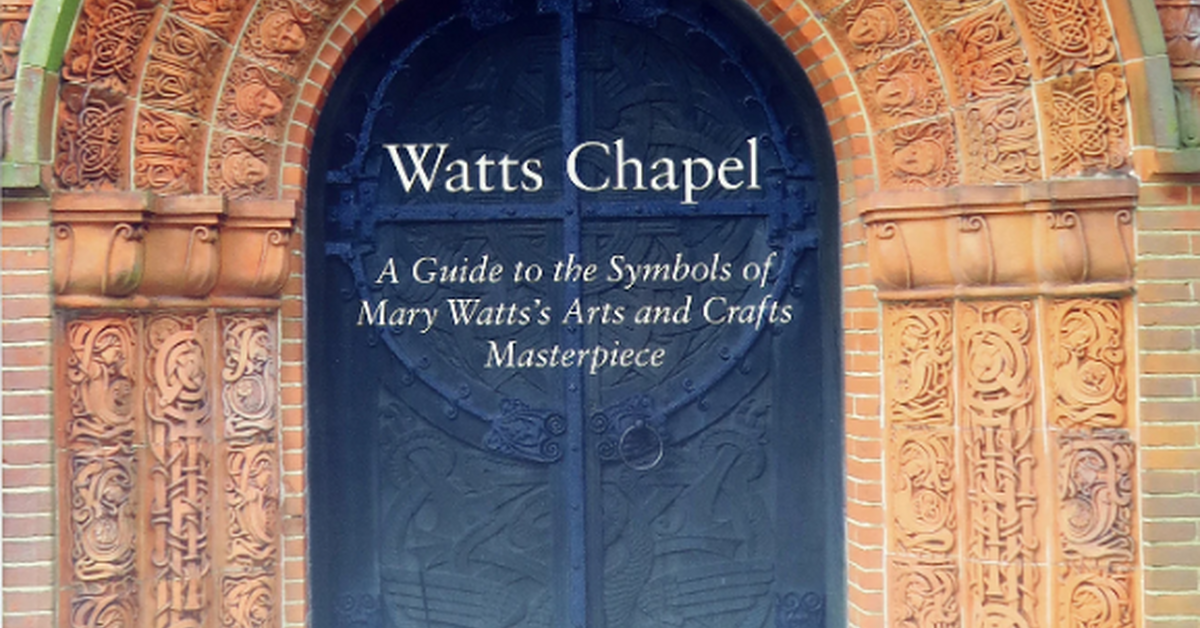
From the outside, it's modest. Quiet. A terracotta-clad building tucked into the village of Compton, almost easy to miss if you didn't know to look. But step closer and the chapel begins to reveal itself: intricate clay panels, winding motifs, a circular form that suggests something older and stranger than a Victorian mortuary chapel has any right to feel.
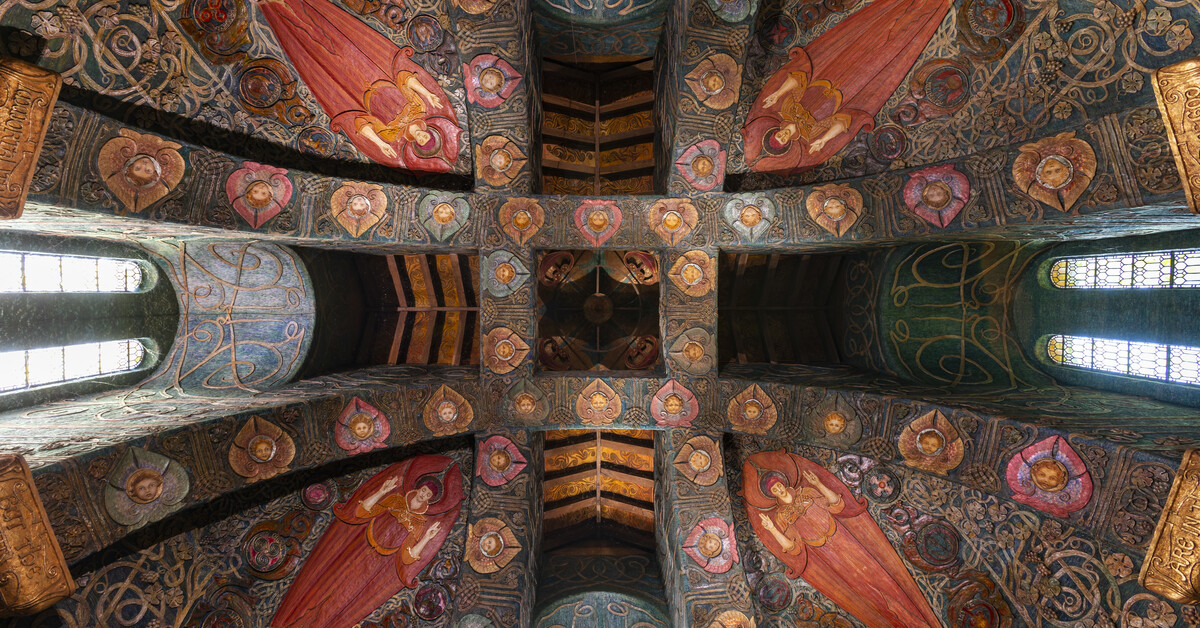
Inside, it stops you.
Every surface was made with intention. The details don't simply decorate — they speak.
The chapel was designed by Mary Seton Watts and built between 1895 and 1904 — a project that opened its doors in 1898 and has never really closed them since. What makes the story remarkable isn't just Mary's vision, though that alone would be enough. It's that she didn't build it alone. More than 70 local villagers worked on the chapel alongside her, learning craft techniques from scratch and contributing to every inch of its decorated surface. This was community art in the most literal sense: a neighborhood project that produced one of England's strangest and most beautiful buildings.
The style defies tidy categorisation. Celtic Revival, Romanesque, Art Nouveau — Mary Watts drew on all of them, and then kept drawing, pulling motifs and symbols from cultures and religions well beyond Europe. Angels, animals, labyrinths, and forms that suggest eternity sit side by side without ever feeling forced. The result is a building that feels both medieval and modern, intimate and cosmic, all at once.
It is, in the best possible sense, a little building with global ambitions.
The best places don't just impress you. They widen you.
Watts Chapel is also a reminder that great art doesn't only live in major cities or behind museum doors. Sometimes it's tucked into a Surrey village. Sometimes it's a chapel built with the hands of people who had never made art before and found, with a little guidance, that they could.
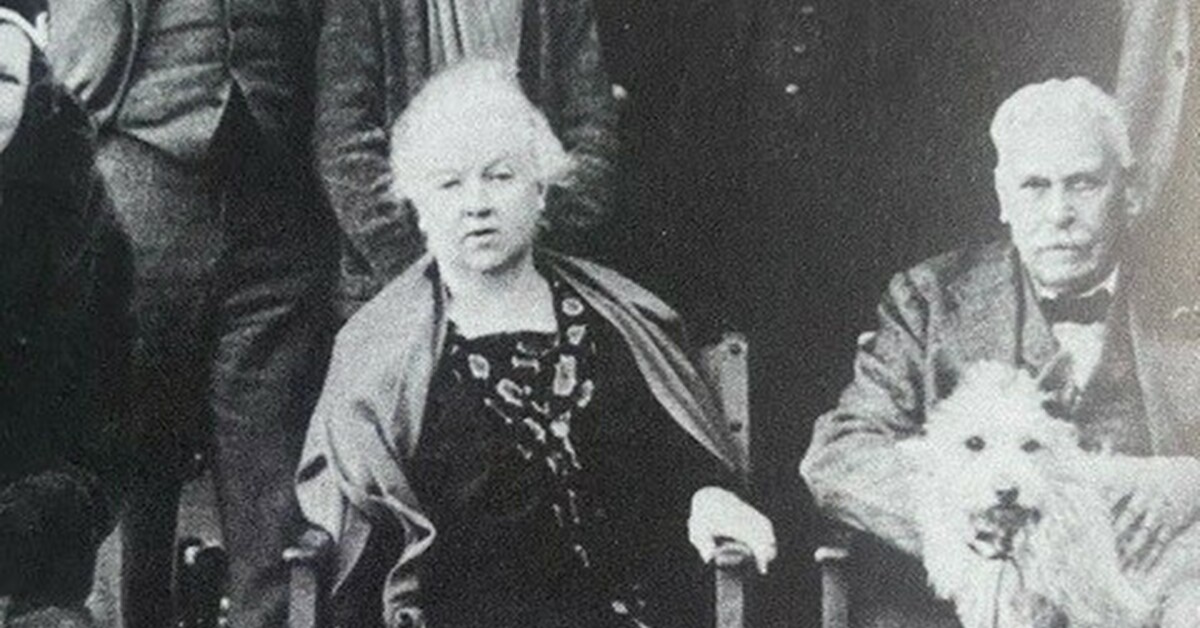
Make a day of it. The chapel pairs beautifully with Watts Gallery – Artists' Village, just up the road, and then Limnerslease, the home Mary shared with her husband, the Victorian painter G. F. Watts. Taken together, it's a quiet pilgrimage — art, place, and story braided into one half-day that tends to linger in the mind long after you've left.
I left thinking about the power of community craft: the way beauty can be built, patiently, by many hands. If you've been, I'd love to know — what detail stuck with you most?